Protecting Health, Safety, & Spaces in Baltimore & Beyond
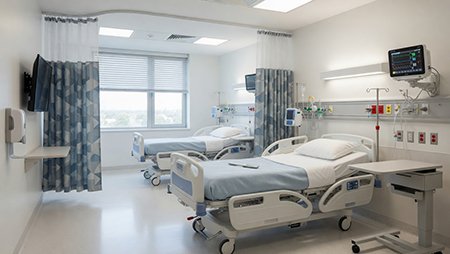
Terminal cleaning – also known as deep cleaning or discharge cleaning – goes far beyond standard janitorial services. It is a comprehensive, systematic process that disinfects every surface in a space, targeting high-touch areas, hidden spots, and microbial contaminants to create a fresh, safe environment for the next occupants. In medical facilities after patient discharge, and operating rooms between procedures, quality terminal cleaning is essential for infection control, compliance, and peace of mind.
Why Terminal Cleaning Matters More Than Ever
In healthcare settings, terminal cleaning is a cornerstone of infection prevention. Pathogens like MRSA, VRE, Clostridioides difficile (C. diff), and others can linger on surfaces for days or weeks. Without thorough terminal cleaning, the next patient or occupant faces elevated risks of healthcare-associated infections (HAIs). Studies show that proper terminal cleaning can dramatically reduce surface contamination, often by over 99% for certain pathogens.
According to the CDC, on any given day, about 1 in 31 hospital patients has at least one HAI.
Nationally, HAIs carry enormous costs (estimates for direct hospital costs alone have ranged from tens of billions annually). In a dense urban area like Baltimore with major hospitals, universities, and high-occupancy buildings, the ripple effects of poor cleaning – outbreaks, extended stays, or reputational damage – can be particularly impactful for the community.
Baltimore-Area Context: Local Challenges and the Need for Action
Maryland has faced notable challenges with hospital-acquired infections in the past. In earlier national comparisons, Maryland ranked poorly. In 2011, Maryland hospital infection rates were at the bottom of national rankings. According to the study, several Baltimore hospitals (including University of Maryland Medical Center, Sinai Hospital, and Johns Hopkins Bayview) showed rates significantly worse than national benchmarks in some categories.
A 2017 study conducted at a major Baltimore tertiary care medical center highlighted gaps in routine cleaning, with environmental services staff cleaning a median of only about 63% of surfaces in patient rooms during observations. High-touch surfaces fared somewhat better but still left room for improvement.
In the Leapfrog 2026 Hospital Safety Grades report, Maryland moved to eighth, placing the state in the top ten for the first time after years of being in the bottom 20 states. This is great progress!
But, while national and state-level progress has been made in recent years – with declines in several HAI types – there is still room for improvement! Facilities that invest in rigorous terminal cleaning protocols gain a clear edge in patient safety and quality metrics.
What Quality Terminal Cleaning Looks Like
A professional terminal cleaning service typically includes:
- Removal of all visible soil and debris.
- Disinfection of all surfaces, including walls, floors, ceilings, vents, lights, and high-touch points (bed rails, doorknobs, call buttons, etc.).
- Specialized protocols for restrooms, equipment, and hard-to-reach areas.
- Use of hospital-grade EPA-registered disinfectants.
- Optional adjuncts like UV-C light or ATP monitoring for verification.
- Thorough documentation for compliance.
In operating rooms or isolation areas, this process is even more stringent to ensure sterility for the next procedure.
Investing in professional terminal cleaning pays dividends in health outcomes and operational efficiency.
An Investment in Health
Quality terminal cleaning is not a luxury – it’s a fundamental safeguard. In Baltimore, where healthcare institutions play a vital role in the community and where past data underscore the stakes, prioritizing thorough, professional cleaning helps protect patients, residents, workers, and visitors alike. By reducing contamination risks, facilities contribute to lower infection rates, cost savings, and a healthier Maryland.
Don’t settle for “good enough” cleaning. Demand quality terminal cleaning to ensure spaces are truly ready for safe, productive use. Your community’s well-being depends on it!